The Harvey L. Hall Memorial Grant
Contributed by: Lavonne C. Hall
Established in 2021.

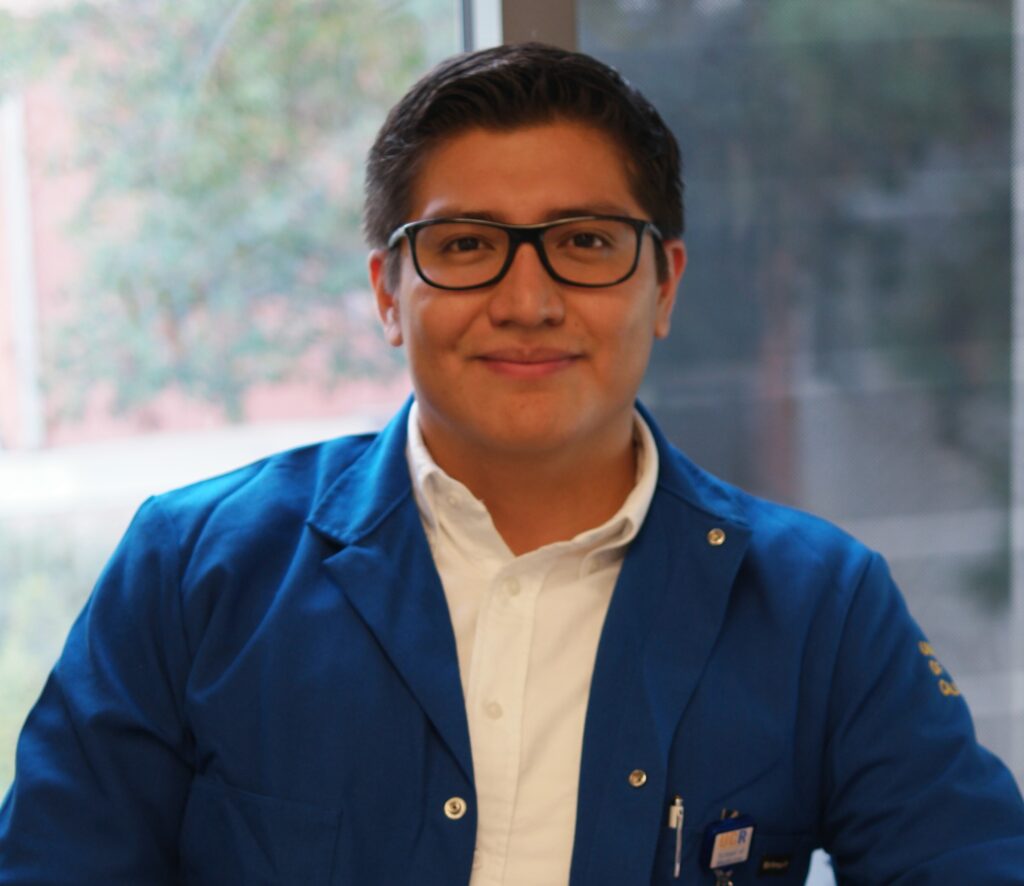
Early in Creutzfeldt-Jakob disease (CJD) and other prion diseases, there is a critical loss of the vital communication bridges known as synapses that allow brain cells to talk to one another. This loss of synapses is believed to be a primary driver of worsening memory, motor, and cognitive performance in patients. Yet, little is known about the specific signals that trigger this damage. My study will use stem cell technology to grow human brain cells in a dish to investigate a process called “hyperactivity,” where brain cells become overstimulated, much like a lightbulb receiving too much voltage, until they eventually sustain damage. By mimicking these conditions, we can uncover exactly when and how this electrical overload leads to the loss of these vital bridges. Our dual goal is to map out this timeline to identify precisely when the damage begins and discover the molecular drivers behind it, allowing us to develop future therapeutic approaches to protect the brain before permanent damage occurs.
October 2026 Update:
Read the preprint diving into the signaling mechanisms driving prion disease.
A few key takeaways from:
Thank you to the CJD Foundation, Inc., our funding agencies, and our fantastic collaborators for making this work possible!
Daniel Ojeda-Juarez, PhD, University of California, San Diego
Contributed by: Lavonne C. Hall
Established in 2021.