The CJD Foundation Grant
Contributed by: The Families of the CJD Foundation
Funds donated by supporters of the CJD Foundation have been applied to research grants awarded since 2009.

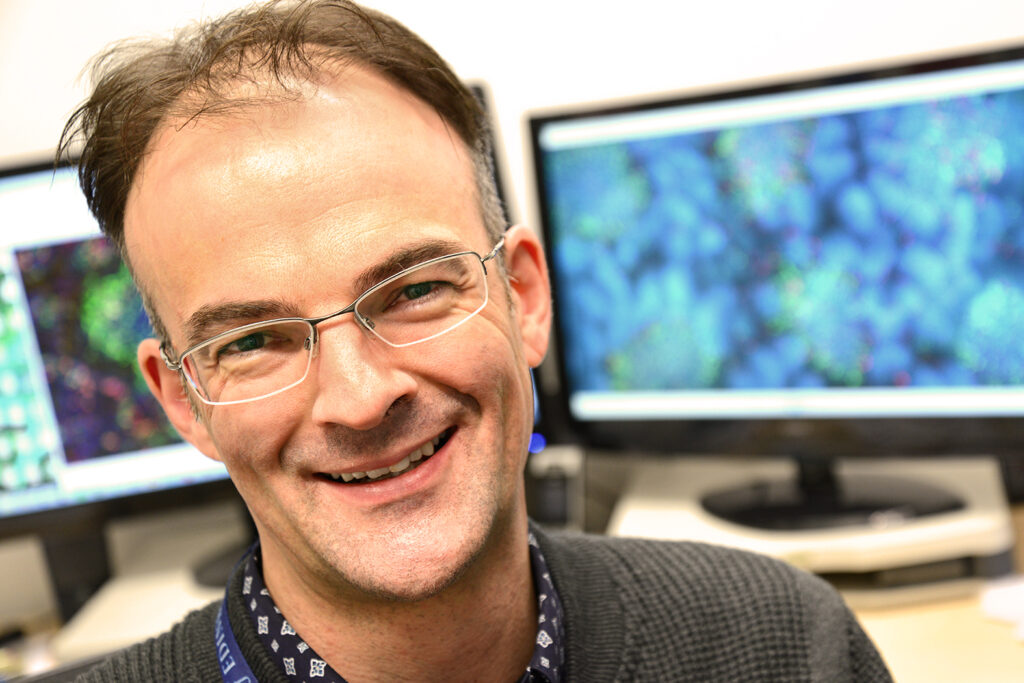
Prion diseases such as Creutzfeldt-Jakob Disease (CJD) in humans are devastating neurodegenerative disorders to which there are no effective treatments. Our study aims to address this urgent need.
Our studies show that a specialised type of immune cells known as the microglia helps to protect the brain during prion disease. However, as the prion disease progresses in the brain, the protective functions of the microglia are gradually lost, and they begin to release certain molecules that are toxic to neurons and can cause neuronal damage. Mouse studies show that the development of prion disease can be delayed when the production of these toxic molecules by the microglia is blocked, identifying potential opportunities for therapeutic intervention.
Gene therapy-based modification of the microglia to prevent them from producing the neurotoxic molecule known as interleukin-1, has been shown to prevent the cognitive decline in a mouse model of a human neurodegenerative lysosomal storage disease. This approach is undergoing clinical trials in human patients. In this study we aim to test in experimental mice whether the gene therapy-based modification of the microglia to block their production of certain neurotoxic molecules has similar potential as a novel treatment that can delay the development of prion disease in affected brains. If successful, the results from our study may aid the development of novel gene therapy approaches to help treat prion disease patients affected with these devastating neurodegenerative disorders.
Contributed by: The Families of the CJD Foundation
Funds donated by supporters of the CJD Foundation have been applied to research grants awarded since 2009.
Contributed by: The Jeffrey and Mary Smith Family Foundation; Zoë Smith Jaye and Jenny Smith Unruh; and Mary Smith
Established in 2015.
Contributed by: Jeanne Cole
Established in 2015.
Contributed by: The Families of the CJD Foundation
Funds raised by the annual Strides for CJD run/walk have been applied to research grants awarded since 2016.
Contributed by: Renee Middendorf and Family
Established in 2020.
Contributed by: Philip McConnell and Family
Established in 2021.
Contributed by: David Morris and Family
This grant was established in 2019.
Contributed by: The Highman and Nugent Families
This grant was established in 2020.